Source Electroplated Tungsten Carbide Grinding Disc for Metal, Paper, and Rubber
Find and compare 30 electroplated tungsten carbide grinding disc options from Chinese manufacturers. Evaluate specifications such as grain size, cobalt percentage, and surface finishing to select the right tool for metal, paper, and rubber applications.
Key considerations
Products List




Comprehensive Sourcing Guide
Electroplated Tungsten Carbide Grinding Disc Sourcing Guide
Sourcing electroplated tungsten carbide grinding discs requires a nuanced understanding of the intersection between abrasive technology and cemented carbide manufacturing. These specialized tools are designed for high-precision grinding and cutting applications, often serving industries that handle paper, tobacco, rubber, fiber, and metals. The procurement process involves evaluating not just the abrasive material, but the underlying wheel body, the electroplating technique, and the specific grade of tungsten carbide used in the tooling. Buyers must navigate a market where products range from standard surface grinding wheels to highly customized cemented carbide discs, each with distinct performance characteristics and commercial terms.
The observed market signals indicate a diverse product landscape with prices ranging from $1.28 to $1,000 USD and minimum order quantities (MOQs) varying between 1 and 250 units. This wide variance suggests that buyers are not limited to a single product type but must select from options that include diamond abrasive discs, natural abrasive wheels, and specific tungsten carbide grades like K10, K20, or Yg8. Understanding these signals is critical for aligning procurement budgets with technical requirements, as the cost is heavily influenced by the abrasive type, the wheel body material, and the complexity of the electroplating process.
Product Scope and Observed Listing Signals
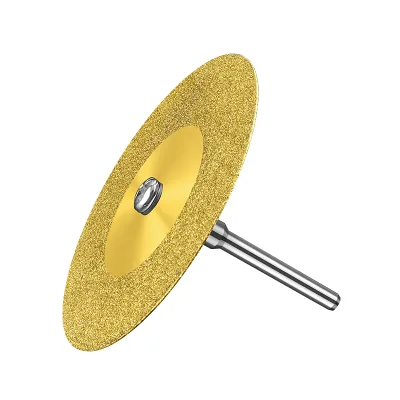
The product scope for electroplated tungsten carbide grinding discs encompasses a variety of configurations, primarily defined by the abrasive material and the wheel body. Listings indicate the availability of discs with steel or aluminum wheel bodies, which serve as the substrate for the abrasive layer. The abrasive itself can be diamond, classified as a superabrasive, or natural abrasives, depending on the specific application requirements. For instance, some products are explicitly labeled as "Tungsten Carbide Ring for Wear Parts" or "Cemented carbide disc," suggesting that the disc itself may be made of or coated with tungsten carbide materials rather than just using it as a tooling component.
Observed listings also highlight specific technical attributes such as grain sizes ranging from ultra-fine to coarse, and surface finishes that can be polished or unpolished. The electroplating technique is a key differentiator, offering advantages like higher productivity and precise bond strength. Buyers should note that some products are marketed with specific models like D196 200 300 or CTHH50ABCD, indicating that standardization exists but is often tailored to specific machine types, including CNC and manual equipment. The packing methods vary from paper boxes to standard export wooden cases, reflecting the fragility and value of the items.
Technical Specifications to Verify
When verifying technical specifications, buyers must prioritize the composition and physical properties of the tungsten carbide components. For products utilizing tungsten carbide, the cobalt percentage is a critical variable, typically ranging from 3% to 30% based on different grades. This ratio directly impacts the hardness and toughness of the disc. For example, specific grades like Tungsten Carbide Mc15 or Yg8a may have defined compositions, such as 85% WC and 15% Co, which influence the disc's resistance to wear, corrosion, and impact. Buyers should request detailed material certificates to confirm these percentages, as deviations can lead to premature tool failure.
Grain size and density are equally important parameters that determine the cutting efficiency and surface finish quality. Observed data points to grain sizes such as 1.2-1.6 micrometers for certain high-precision applications, while others may use grit sizes like 12#, 16#, or 23#. The density of the material, observed at 14.20 g/cm³ for some grades, and hardness levels around HRA87, provide benchmarks for quality assessment. Additionally, bending strength, cited at 3000 MPa for specific products, is a vital metric for ensuring the disc can withstand the centrifugal forces generated during high-speed grinding operations without fracturing.
Compliance and Safety Documentation
Compliance and safety documentation form the backbone of a secure procurement process, particularly when dealing with industrial abrasives and cemented carbides. Buyers should verify that suppliers adhere to recognized quality management standards, such as ISO 9001, which indicates a systematic approach to quality control in manufacturing. While specific certification statuses may vary by supplier, the presence of such standards is a strong indicator of a supplier's commitment to consistent product quality. Additionally, adherence to industry-specific standards like DIN for dimensions and tolerances ensures that the grinding discs will fit correctly into existing machinery, reducing the risk of operational errors.
Safety documentation must also address the handling and performance limits of the discs. Since these tools are used in high-speed applications, buyers need to ensure that the products meet relevant safety standards for rotational speed and structural integrity. The observation of standards like EN 12413, while low-confidence in specific contexts, highlights the importance of verifying that the discs comply with European or international safety regulations for grinding wheels. Buyers should request test reports or declarations of conformity that confirm the discs' ability to operate safely within specified parameters, protecting both the equipment and the operators.
Cost Drivers and Commercial Terms
Cost drivers for electroplated tungsten carbide grinding discs are multifaceted, influenced by material costs, manufacturing complexity, and order volume. The price range of $1.28 to $1,000 USD reflects the diversity in product types, from simple natural abrasive wheels to complex diamond-impregnated or tungsten carbide-coated discs. The choice of abrasive material, such as diamond versus natural abrasives, significantly impacts the base cost. Furthermore, the electroplating process, which requires precise control over grain distribution and bond strength, adds to the manufacturing expense compared to traditional bonding methods.
Commercial terms, including MOQs and packaging, also play a crucial role in the total cost of ownership. MOQs ranging from 1 to 250 units allow for flexibility, enabling buyers to test samples or order in bulk depending on their production needs. Packaging options, from simple paper boxes to robust wooden cases, affect shipping costs and the risk of damage during transit. Buyers should negotiate terms that balance these factors, considering the value of the product against the cost of protection and the efficiency of the supply chain. Clear communication regarding packing standards, such as standard export packing, can help mitigate unexpected logistics expenses.
Supplier Qualification and Quality Control
Supplier qualification is essential to ensure that the grinding discs meet the required technical and quality standards. Buyers should prioritize suppliers located in known manufacturing hubs, such as Zhuzhou City in Hunan, China, or Fujian, which are recognized for their expertise in tungsten carbide and abrasive tool production. The presence of customization options indicates that suppliers are capable of adapting their products to specific buyer requirements, which is a valuable trait for specialized applications. Verifying the supplier's ability to provide custom solutions, such as specific grain sizes or wheel body materials, can enhance the suitability of the product for unique operational needs.
Quality control measures should be rigorously assessed, focusing on the consistency of the electroplating process and the integrity of the wheel body. Buyers should inquire about the supplier's internal quality control protocols, including inspections for circular degree, cylindricity, and surface finish. The observation of attributes like "Polished and Unpolished" surface finishes suggests that suppliers offer options for different surface quality requirements. Establishing a clear quality agreement that defines acceptable tolerances for dimensions, grain size, and material composition is crucial for maintaining consistent performance across batches.
Long-Term Procurement Checks
Long-term procurement checks involve monitoring supplier performance and product consistency over time. Buyers should establish key performance indicators (KPIs) related to defect rates, delivery times, and customer support responsiveness. Regular audits of the supplier's quality management systems can help identify potential issues before they impact production. Additionally, staying informed about advancements in electroplating technology and tungsten carbide grades can provide opportunities for cost savings or performance improvements. Engaging in continuous dialogue with suppliers about evolving industry standards and best practices can foster a collaborative relationship that benefits both parties.
Finally, buyers should periodically review their inventory and usage patterns to optimize order quantities and reduce waste. Analyzing the performance of different grinding disc types in actual applications can inform future purchasing decisions, allowing for more precise specification of requirements. By maintaining a flexible yet disciplined approach to procurement, buyers can ensure a steady supply of high-quality electroplated tungsten carbide grinding discs that support their operational efficiency and product quality goals. This proactive stance helps mitigate risks associated with supply chain disruptions and ensures that the procurement process remains aligned with broader business objectives.
FAQs
What materials are used in electroplated tungsten carbide grinding discs?
These discs typically use diamond or superabrasive grains electroplated onto steel or aluminum wheel bodies. The tungsten carbide components often consist of WC and Co compositions, such as 85% WC and 15% Co, ensuring high hardness and wear resistance for demanding industrial applications.
Can electroplated tungsten carbide grinding discs be customized?
Yes, customization is available for these grinding discs. Buyers can select specific grain sizes ranging from ultra-fine to coarse, and choose between polished or unpolished surface finishes. Customization extends to model specifications and packaging options to meet distinct operational requirements.
What are the key specifications for tungsten carbide grinding discs?
Key specifications include grain sizes like 1.2-1.6 micrometers or grits such as 12#, 16#, and 23#. Models may include D196 200 300 or CTHH50ABCD. Dimensions often adhere to standards like 2 inches by 50mm by 10mm, with densities around 14.20g/cm³ and hardness of HRA87.
Where are electroplated tungsten carbide grinding discs manufactured?
Manufacturing origins include Zhuzhou City in Hunan Province and Fujian Province in China. These regions are known for producing cemented carbide products. The discs are packed in standard export packaging, such as paper boxes, cartons, or wooden cases, to ensure safe international shipping.
What certifications apply to tungsten carbide grinding disc suppliers?
Suppliers often hold ISO 9001 certification, indicating adherence to quality management standards. Products may also comply with DIN standards. These certifications ensure consistent quality in the production of tungsten carbide rings and grinding discs used for paper, tobacco, rubber, and metal processing.
What is the typical MOQ for these grinding discs?
The minimum order quantity ranges from 1 to 250 units. This flexibility allows buyers to test samples or place larger bulk orders. Pricing varies significantly, observed between 1.28 and 1000 USD, depending on the specific model, material grade, and order volume.